
Buying used cars can be a smart way to get a practical vehicle without taking on the higher purchase price associated with a new model. However, the right choice involves more than comparing prices and choosing a car that looks good in an advert. A careful buyer should check the vehicle history, MOT record, maintenance records, condition, running costs and likely resale value before committing.
Whether you are buying from a private seller, independent dealer or established retailer, a structured approach can help you avoid expensive surprises. This guide explains what to look for, which checks matter most and how to build a sensible ownership plan around your next second-hand vehicle.
Why Used Cars Can Be a Good Choice
The biggest attraction of buying a used vehicle is usually value. A second-hand car can give buyers access to a higher specification, larger model or better-equipped trim level for a budget that may not stretch as far when buying new.
Used vehicles can also make sense for drivers who want to control their initial spending. Instead of focusing only on the purchase price, however, you should consider the complete cost of ownership. Insurance, fuel, servicing, tyres, MOT work, repairs, road tax where applicable and depreciation can all affect whether a particular car represents good value.
This is why the cheapest vehicle is not always the best bargain. A slightly more expensive car with a strong history and consistent maintenance may prove more economical over several years.
Start With a Realistic Used Cars Budget
Before searching listings, decide how much you can comfortably spend. Your budget should include more than the amount needed to purchase the vehicle. Leave room for immediate expenses such as insurance, servicing, tyres or repairs if they become necessary after purchase.
If you intend to spread the cost through finance, work out the total ownership budget rather than looking only at the advertised monthly repayment. Different financing structures can produce very different overall costs. Our upcoming guide to car finance will help explain important options such as PCP and HP finance in more detail.
It is also useful to keep an emergency reserve. Even a well-maintained used vehicle can eventually require replacement parts or unexpected repairs. Having money available for these expenses can make ownership considerably less stressful.
Check the Vehicle History Before Viewing
A vehicle’s history can reveal important information that may not be obvious from photographs or a short sales description. Ask the seller for the registration number and use official information to verify key details before arranging a viewing.
GOV.UK recommends checking the details supplied by the seller against DVLA information, reviewing MOT history, checking for relevant safety recalls and inspecting the vehicle’s V5C registration certificate.
The official MOT history service can show previous test results, recorded mileage and whether the vehicle passed or failed. It can also provide information about previous MOT certificates and, in England, Scotland and Wales, details about where tests were carried out when the required information is available.
Pay particular attention to repeated advisories or patterns of failure. A single advisory does not automatically make a vehicle a poor purchase, but a history of recurring problems deserves further investigation.
Review Maintenance Records Carefully
Maintenance records can be just as valuable as the MOT history. Ask whether the seller has invoices, service documentation and receipts for major work. These records can help establish whether routine maintenance has been carried out consistently.
Look for evidence of servicing appropriate to the vehicle and its mileage. Depending on the model, important maintenance may include oil and filter changes, brake work, tyre replacement, timing-belt work and other manufacturer-recommended servicing.
A well-documented service history can also make future ownership easier. When you know what has already been replaced, you can plan upcoming maintenance rather than guessing what the vehicle may need.
Inspect the Car in Person
Online photographs are useful for creating a shortlist, but they cannot replace an in-person inspection. Try to view the vehicle in good daylight and give yourself enough time to examine it properly.
Exterior Checks
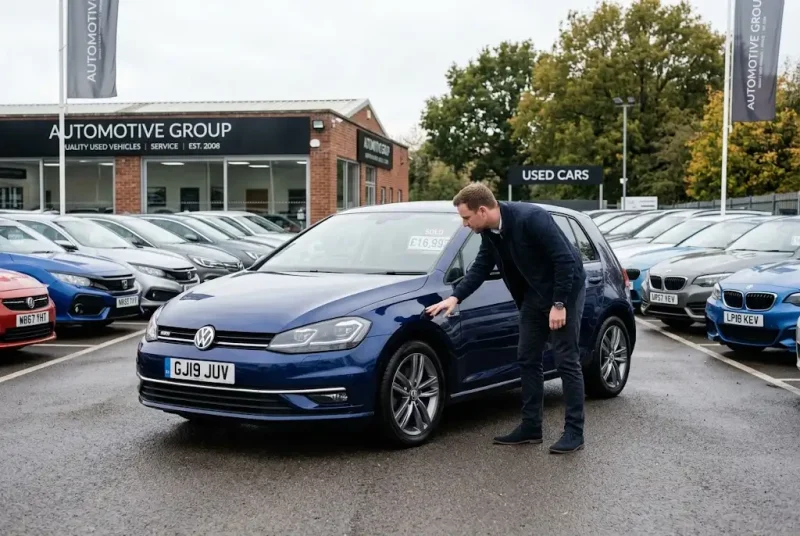
Walk around the vehicle and look for differences in paint colour, uneven panel gaps, dents, scratches and signs of previous repairs. Check the condition of the lights, windows, mirrors, wheels and tyres.
Tyres deserve particular attention because replacement can become an immediate ownership expense. Check tread condition and look for uneven wear, which may indicate alignment, suspension or other mechanical issues.
Interior Checks
Inspect the seats, carpets, dashboard and controls. Excessive wear may not necessarily mean the car is unsuitable, but it should be consistent with the vehicle’s stated age and mileage.
Test electrical equipment such as windows, lights, climate controls, infotainment systems and other features included with the vehicle. Small faults can become useful points for negotiation if you decide to proceed.
Mechanical Checks
Start the engine from cold if possible. Listen for unusual noises and pay attention to warning lights on the dashboard. During a test drive, evaluate braking, steering, acceleration, clutch operation and gearbox behaviour.
If you are not confident assessing mechanical condition yourself, consider paying for an independent inspection before completing the purchase. The cost of an inspection can be small compared with an unexpected major repair.
Use a Used Cars Buying Checklist
A written buying checklist can prevent excitement from causing you to overlook important details. Before making an offer, confirm the following:
- Vehicle registration details match the official records.
- MOT status and history have been checked.
- V5C details match the vehicle.
- VIN and other identification details are consistent.
- Maintenance records have been reviewed.
- Tyres, brakes and visible mechanical components appear satisfactory.
- The vehicle has been test-driven where appropriate.
- Any outstanding faults have been identified.
- Insurance and running costs fit your budget.
- The asking price makes sense compared with similar vehicles.
GOV.UK also advises buyers to check the vehicle identification number and engine number against the log book when inspecting a used vehicle.
Consider Resale Value Before You Buy
Resale value is easy to ignore when you are focused on getting behind the wheel, but it can have a meaningful effect on the long-term cost of ownership. Some vehicles retain value better than others because of demand, reliability perceptions, specification and market conditions.
That does not mean you should automatically choose the vehicle with the strongest resale prospects. Instead, consider how long you expect to keep it and whether your circumstances could change. A car that works well for your needs today may become less suitable if your mileage, family requirements or commuting arrangements change.
Plan for Maintenance and Ownership Costs
Buying a used vehicle is only the beginning of ownership. Regular maintenance helps keep the car reliable and can reduce the risk of avoidable problems becoming more expensive.
Create a simple annual ownership budget covering servicing, MOT-related expenses, tyres, routine repairs and other predictable costs. Keeping records of work completed will also make future maintenance planning easier.
Tyres are another important part of preventive maintenance. If you need professional help with fitting, replacement or inspection, our guide to tyre services will be useful when planning ongoing vehicle care.
For larger unexpected repair bills, some motorists may also investigate payment arrangements or repair finance. These options should be assessed carefully, particularly by comparing the total repayment cost rather than focusing only on the monthly figure.
Understand the Legal and Administrative Steps
Once you decide to buy, make sure the administrative side is handled correctly. GOV.UK states that a used vehicle should be registered with the new keeper and that the vehicle must be taxed before it is used on the road. The seller normally handles the registration process, although there are different procedures if the vehicle does not have a V5C.
Insurance is also required before you use the vehicle on public roads. In addition, check the MOT position before driving it away. For most cars, the first MOT is required by the third anniversary of registration, with subsequent tests generally required annually.
These checks are not simply paperwork. They form part of responsible ownership and help ensure that your new vehicle can legally and safely be used.
Do Not Rush the Purchase
One of the most useful rules when buying used cars is to avoid making a decision because you feel pressured. If a seller discourages reasonable questions, refuses to provide basic information or insists on an immediate payment, treat that as a warning sign.
Compare several vehicles where possible. Looking at different examples can give you a better understanding of realistic pricing, specifications and condition. It also reduces the temptation to overpay simply because you have already invested time in one particular car.
For buyers researching vehicles through online marketplaces, comparing listings and sellers systematically can make the process easier. Our AutoTrader UK buying guide covers how to approach online vehicle listings and dealership comparisons as part of a broader purchase plan.
Build an Ownership Plan Before Buying
The best used-car purchase is one that fits your life as well as your budget. Consider how many miles you expect to drive, where the vehicle will be parked, how much space you need and how much you are comfortable spending on maintenance.
Think beyond the first year. A vehicle that is affordable to buy but expensive to maintain may become less attractive over time. Conversely, a carefully selected second-hand vehicle with a strong history, sensible running costs and good maintenance records can provide dependable transport for years.
Ultimately, buying used cars successfully comes down to research, inspection and realistic ownership planning. Check the vehicle history, verify its documentation, examine its condition, understand its likely running costs and never be afraid to walk away when the evidence does not support the purchase.
Taking a little more time before committing can help you choose a vehicle that delivers value not only on the day you buy it, but throughout the years you own it.