
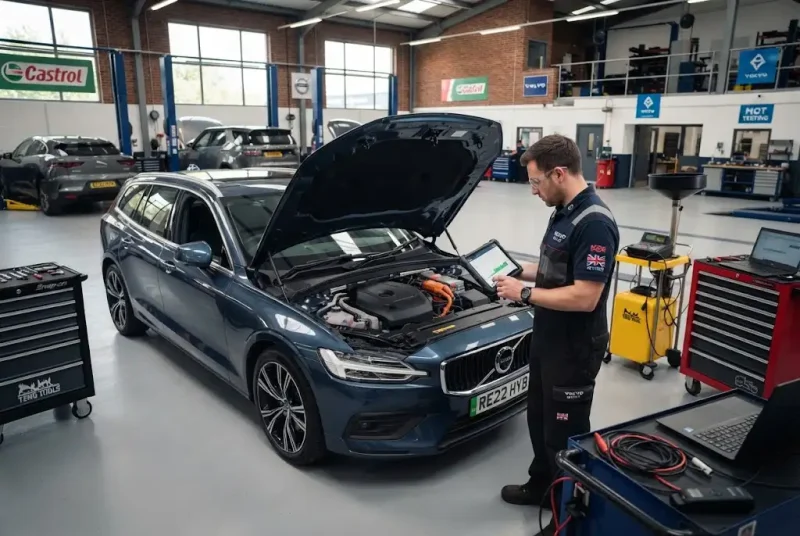
Hybrid servicing is an important part of keeping a hybrid vehicle reliable, efficient and safe on UK roads. Although hybrids can share many mechanical components with petrol cars, they also use electric motors, high-voltage batteries and sophisticated electronic control systems. That combination means owners need to understand both conventional vehicle maintenance and hybrid-specific requirements.
For many drivers, hybrid ownership can offer a practical way to combine an internal combustion engine with electric driving. However, the technology also changes how certain maintenance and diagnostic work should be approached. Choosing a workshop with appropriate hybrid knowledge and equipment is therefore an important part of long-term ownership.
This guide explains what hybrid servicing involves, which components require attention and what UK motorists should consider when selecting a workshop.
What Is Hybrid Servicing?
Hybrid servicing is the inspection and maintenance of a vehicle that uses both an internal combustion engine and an electric drive system. The exact service requirements vary according to the vehicle’s manufacturer, model, age, mileage and hybrid system design.
A typical service can include many familiar checks, such as engine oil, filters, brakes, tyres, suspension and steering. However, technicians may also need to inspect hybrid-specific components, diagnostic information and high-voltage systems.
The vehicle manufacturer’s recommended maintenance schedule should always be the starting point. Different hybrid models can have different servicing intervals and inspection requirements.
Why Hybrid Servicing Matters
Hybrid vehicles contain more than one type of propulsion technology, so regular maintenance helps ensure that both systems continue working correctly.
Routine servicing can identify developing problems before they become more disruptive or expensive. It can also provide an opportunity to inspect components that experience different operating conditions because of the interaction between the petrol engine and electric motor.
Regular maintenance is particularly useful for owners who want to keep a complete service history. A clear record of servicing and repairs can make future maintenance easier and may also be useful when selling the vehicle.
What Is Checked During Hybrid Servicing?
The exact inspection varies by manufacturer, but several areas are commonly relevant to hybrid vehicles.
Engine and Conventional Components
A hybrid still has mechanical components that require normal maintenance. Depending on the vehicle, technicians may inspect engine oil, filters, cooling systems, belts, hoses, brakes, suspension, steering and tyres.
Although regenerative braking can reduce reliance on conventional friction brakes in some driving conditions, brake components still need regular inspection. Drivers should never assume that hybrid technology removes the need for brake maintenance.
Hybrid Battery System
The hybrid battery is one of the most important components in the electric side of the vehicle. It stores and supplies electrical energy to support the hybrid system.
Battery maintenance does not necessarily mean routinely replacing the battery. Instead, technicians may use appropriate diagnostic equipment and inspection procedures to assess the condition of the system and identify relevant faults.
Battery cooling is also important because temperature management can affect the operation of high-voltage components. Owners should follow the manufacturer’s recommendations for keeping battery cooling systems and associated air pathways in good condition.
Electrical and High-Voltage Components
Hybrid vehicles contain high-voltage components that require specialist safety procedures. These systems should not be treated like ordinary 12-volt electrical circuits.
Technicians working on high-voltage components need appropriate training, equipment and safety procedures. This is one of the most important reasons to select a workshop with genuine experience in hybrid vehicles.
Diagnostic Systems
Modern hybrids rely heavily on electronic control systems. Diagnostic equipment can help technicians identify stored fault information and assess how different components are operating.
However, diagnostic codes should be interpreted alongside other testing. A fault code does not automatically identify the component that needs replacing. Proper diagnosis can prevent unnecessary parts replacement and help address the underlying problem.
Toyota Hybrid Service and Manufacturer Expertise
Toyota has played a major role in the development and adoption of hybrid vehicles, and its hybrid models are widely recognised in the UK market. Owners of Toyota hybrids should follow the servicing requirements specified for their particular vehicle.
A Toyota hybrid service may involve conventional maintenance alongside inspections relevant to the hybrid system. The appropriate workshop can depend on the vehicle’s age, warranty position, maintenance history and the type of work required.
Owners should check the specific service schedule for their model rather than assuming that all Toyota hybrids require exactly the same maintenance.
How Hybrid Servicing Differs From Conventional Car Servicing
There are many similarities between hybrid and conventional vehicle servicing. Both can require inspections of tyres, brakes, suspension, steering, fluids and other mechanical components.
The difference is the additional electrical architecture. Hybrid technicians need to understand how the engine, electric motor, battery, inverter and control systems interact.
Regenerative braking is another important difference. The electric system can recover energy during deceleration, changing how the vehicle uses its braking components. This does not eliminate brake inspections, but it can affect the way the braking system operates.
How Often Does a Hybrid Need Servicing?
There is no single servicing interval that applies to every hybrid. Manufacturers specify schedules according to the vehicle’s design and operating requirements.
Owners should consult the vehicle handbook, manufacturer service information or an appropriate authorised workshop for the correct interval. Factors such as mileage, age, driving conditions and previous maintenance can also influence what the vehicle needs.
Rather than waiting for a noticeable problem, drivers should follow the recommended maintenance schedule and investigate warning lights or unusual symptoms promptly.
Choosing a Hybrid Service Specialist
Selecting the right workshop is particularly important when maintenance involves the high-voltage system.
Ask About Hybrid Training
Before booking, ask whether technicians are trained to work on hybrid vehicles and whether the workshop has the required safety equipment.
Check Diagnostic Capability
Hybrid systems can require specialist diagnostic tools. A workshop should have suitable equipment for the vehicle being serviced and know how to interpret the resulting information.
Ask About High-Voltage Safety
High-voltage components require appropriate precautions. Do not assume that a workshop capable of servicing conventional petrol cars is automatically equipped for every hybrid repair.
Compare Service Details
When comparing automotive service companies, look beyond the advertised price. Check what inspections, replacement parts and diagnostic checks are included in the quoted service.
Our guide to automotive service companies provides additional advice on comparing independent garages, authorised workshops and specialist repair businesses.
Hybrid Battery Maintenance
Battery maintenance is often one of the biggest concerns among hybrid owners. In practice, the battery is designed as part of the vehicle’s long-term hybrid system, and owners should follow the manufacturer’s maintenance recommendations.
Keeping the battery cooling system clear is one practical consideration. If the vehicle has a dedicated battery ventilation intake, owners should avoid blocking it with luggage, clothing or other objects.
Warning messages, unusual changes in hybrid performance or other battery-related symptoms should be investigated by a suitably qualified workshop rather than ignored.
Common Hybrid Maintenance Considerations
Hybrid ownership can involve some maintenance considerations that drivers may not initially expect.
- Brake components still require regular inspection.
- The combustion engine still needs appropriate servicing.
- High-voltage components require specialist safety procedures.
- Battery cooling systems need to remain unobstructed and functional.
- Electronic diagnostic systems are important for identifying faults.
- Tyres, suspension and steering remain essential to road safety.
These points demonstrate why hybrid servicing should be approached as a complete vehicle maintenance process rather than focusing only on the battery.
Signs That a Hybrid May Need Attention
Drivers should take warning messages and unusual vehicle behaviour seriously. Potential signs of a problem can include dashboard warnings, unusual noises, changes in acceleration, reduced hybrid system performance or unexpected changes in fuel economy.
Not every change indicates a major fault, but unusual symptoms should be assessed rather than ignored. Early diagnosis can sometimes prevent a small issue from developing into a larger repair.
If the vehicle enters a reduced-power or warning mode, consult the vehicle documentation and arrange appropriate professional assistance.
Hybrid Servicing and Long-Term Ownership
Regular maintenance can make hybrid ownership more predictable. Keeping service records, following recommended schedules and using suitably trained technicians can help owners manage the vehicle throughout its life.
It is also worth remembering that hybrid ownership involves more than the propulsion system. Tyres, suspension, steering, brakes, lights and other road-going components all contribute to safety and should receive appropriate attention.
Drivers considering a replacement vehicle may also want to understand how hybrid maintenance compares with fully electric vehicle ownership. Our EV servicing guide explains some of the differences involved in maintaining an electric vehicle.
Hybrid Servicing and Sustainable Mobility
Hybrid vehicles are part of the wider transition towards lower-emission forms of transport. Their combination of combustion and electric technology makes them a practical option for some drivers who want to reduce reliance on conventional engine operation.
As vehicle technology develops, workshops will need to continue adapting their equipment and technician training. Hybrid maintenance is therefore becoming an established part of the wider automotive service industry rather than a niche requirement.
Final Thoughts on Hybrid Servicing
Hybrid servicing combines many familiar vehicle maintenance tasks with additional checks associated with electric motors, high-voltage systems, battery technology and electronic controls.
The most important step for owners is to follow the manufacturer’s maintenance schedule and choose a workshop with the appropriate hybrid knowledge, safety procedures and diagnostic equipment.
Whether you own a Toyota hybrid or another hybrid model, regular maintenance should cover the complete vehicle rather than concentrating only on the battery. With the right servicing approach, drivers can better understand their vehicle’s condition and address potential issues before they become more disruptive.
As the automotive landscape continues to evolve, hybrid vehicles represent a critical intersection of traditional engineering and innovative technology. This shift necessitates not only a solid grasp of maintenance practices unique to hybrids but also an understanding of the broader market dynamics that influence their ownership experience. For prospective and current hybrid owners, leveraging platforms like AutoTrader UK can be invaluable. With its comprehensive resources for comparing listings, researching dealers, and checking market prices, AutoTrader UK enhances the overall ownership journey, ensuring that consumers make informed decisions about their hybrid vehicles. Understanding the nuances of hybrid servicing while utilizing reliable Auto Services can significantly contribute to a seamless driving experience, maximizing both efficiency and value.
As hybrid vehicles continue to gain popularity on UK roads, understanding the nuances of their servicing needs becomes increasingly critical for owners. This complexity not only extends to regular maintenance but also to the potential financial implications associated with unforeseen repairs. Given that hybrid systems may sometimes require specialized parts and expertise, costs can escalate unexpectedly. To navigate these financial challenges, owners should consider exploring options that facilitate budgeting for unexpected garage bills. Utilizing repair finance can provide valuable flexibility, allowing drivers to manage their expenses effectively while ensuring their vehicles remain in optimal condition.