
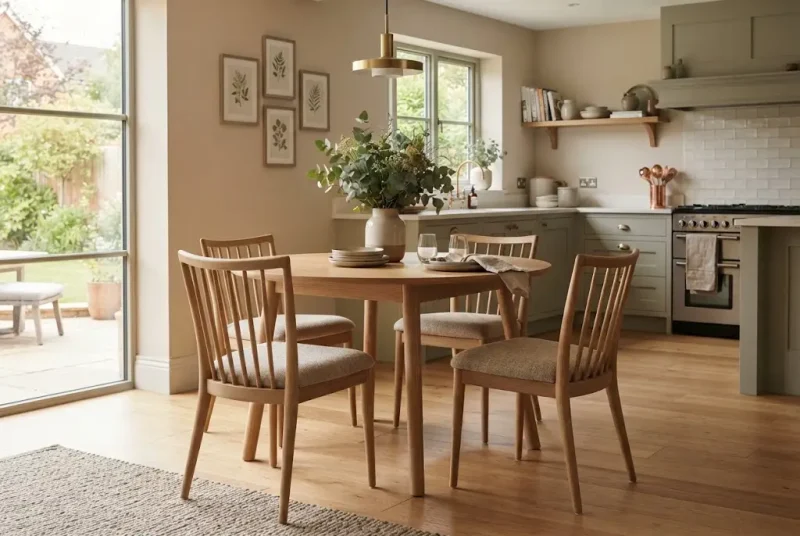
A seat cushion kitchen setup can make a noticeable difference to everyday comfort while also giving a dining area a more finished look. Whether you have traditional wooden chairs, a modern breakfast bar, a compact dining table or a larger family dining space, the right cushion can soften a hard seat and introduce colour, texture and personality without replacing the furniture.
Choosing kitchen seating is not simply about picking the softest cushion available. Size, thickness, filling, fabric, fastening, cleaning requirements and the existing style of your room all matter. A well-chosen cushion should sit securely on the chair, provide comfortable support and work naturally with the rest of your interior.
For a coordinated home, seating can also become part of a wider decorating scheme. For example, cushions can complement black rugs for living room spaces, artificial greenery and other decorative details without making the kitchen feel overly matched.
Why a Seat Cushion Kitchen Setup Is Worth Considering
Kitchen and dining chairs are often used for much longer than people realise. Breakfasts, family meals, homework, conversations and entertaining guests can all involve extended periods of sitting. A hard wooden or metal seat may look attractive, but it is not always the most comfortable option for everyday use.
A cushion adds a layer between the body and the chair surface. This can make the seat feel more comfortable while also changing the visual character of the room. A simple neutral cushion can create a softer, calmer appearance, while patterned or colourful designs can become a decorative feature.
There is also a practical advantage when the original chair is still in good condition. Instead of replacing an entire dining set, adding suitable cushions can refresh the seating for a relatively simple interior update.
How to Choose the Right Seat Cushion Kitchen Style
The best cushion depends on the chair, the way the space is used and the look you want to create. Before buying, measure the seat and consider how the cushion will behave during everyday use.
Measure the Chair Carefully
Start by measuring the width and depth of the chair seat. A cushion that is too large may overhang the edges, while one that is too small can look awkward and may move around when someone sits down.
Also check whether the chair has a curved, rounded or unusually shaped seat. Standard square cushions work well on many dining chairs, but shaped seating may need a more specific design.
Consider Cushion Thickness
Thickness affects both comfort and seating height. A very thin pad can provide a little softness without dramatically changing the position of the user. A thicker cushion can feel more luxurious, but it may raise the seating position noticeably.
This matters around a dining table because the relationship between the chair, table and user’s body should remain comfortable. Cambridge University Hospitals advises that feet should be supported and that seating should suit the individual rather than forcing everyone into one supposedly perfect sitting position.
Choose the Right Filling
Cushion fillings can include foam, polyester fibre and other materials. Foam can provide a supportive feel, while fibre-filled options may feel softer and more relaxed.
There is no single filling that works for every kitchen. Think about whether the chairs are used occasionally or every day. Frequent-use seating generally benefits from a cushion that keeps its shape rather than one that becomes excessively compressed after repeated use.
Dining Room Chair Cushions: What Should You Look For?
Dining room chair cushions need to balance comfort and practicality. The Dining chairs are different from occasional decorative seating because they are frequently moved, cleaned and used around food.
Look for cushions with secure ties or another fastening method when the chair design allows it. A cushion that constantly slides forward can quickly become frustrating, particularly when several people are using the table.
It is also worth considering the fabric. In a family kitchen, washable or easy-clean materials can be more practical than delicate upholstery. If meals are regularly served at the table, spills are inevitable, so choosing a material that can be maintained without complicated treatment can save time.
For inspiration beyond seating, a coordinated interior can incorporate decorative elements such as indoor fake plants to introduce greenery without adding another regular maintenance task.
Match Kitchen Chair Cushions to Your Interior
A cushion does not have to match every other item in the room exactly. In fact, a little contrast can make a kitchen feel more considered. The goal is to connect colours, textures or patterns rather than create a completely identical set of accessories.
Neutral Kitchens
White, cream, beige and grey kitchens provide plenty of flexibility. Neutral cushions can maintain a clean appearance, while muted green, blue or earthy tones can add subtle colour.
If the kitchen already contains natural wood, woven textures or warm flooring, cushions in complementary earthy shades can help create a cohesive atmosphere.
Dark or Dramatic Kitchens
Dark cabinetry can work well with lighter seat cushions that provide visual contrast. Alternatively, deeper cushions can create a more sophisticated, layered appearance when the room already has strong lighting and plenty of natural contrast.
A simple way to continue the same design language elsewhere is through a living-room accessory such as a black living room rug. Repeating a colour subtly across different rooms can make a home feel connected without making every space look identical.
Traditional Kitchens
Traditional kitchens often suit floral prints, checks, stripes and textured fabrics. These patterns can work particularly well with painted wooden chairs and classic dining tables.
However, patterned cushions should still be considered alongside existing curtains, blinds, flooring and other textiles. Too many competing patterns can make a small dining area feel visually busy.
Comfort Matters More Than Appearance
It is easy to focus on colour and design when choosing a kitchen cushion, but comfort should remain the priority. A cushion that looks attractive but constantly shifts, compresses or feels uncomfortable is unlikely to be useful in the long term.
Cambridge University Hospitals’ seating guidance notes that different chairs can suit different people and recommends paying attention to support, seating position and comfort. It also explains that excessively soft seating is not necessarily better, as it can affect how someone sits.
For this reason, avoid assuming that the thickest or softest cushion is automatically the best choice. The right option should provide enough cushioning while allowing you to sit comfortably and maintain a natural position.
Securing Your Kitchen Chair Cushions
Movement is one of the most common practical problems with loose chair cushions. Ties are a simple solution on many traditional dining chairs because they allow the cushion to be secured to the chair frame.
Before purchasing, check where the ties are positioned and whether the chair has suitable points for fastening them. If the chair has a solid back or unusual frame, a cushion designed for that particular style may be more appropriate.
For households with children, pets or frequent guests, secure positioning becomes even more important. A cushion that stays in place will require less adjustment and help keep the dining area looking tidy.
Easy-Care Materials for Busy Kitchens
The kitchen is one of the busiest areas of a home, so maintenance should be considered before choosing decorative seating. Check the manufacturer’s cleaning instructions rather than assuming a cushion can be placed in a washing machine.
Removable covers can be particularly convenient because they may allow the fabric to be cleaned separately from the filling. However, care instructions vary between products, so always check the label before washing or treating the material.
For everyday spills, dealing with marks promptly is usually more practical than allowing food or liquid to remain on the fabric. A simple maintenance routine can help cushions retain their appearance for longer.
How to Use Cushions to Refresh an Older Kitchen
Replacing kitchen furniture is not always necessary when the existing chairs are structurally sound. New cushions can introduce a different colour scheme and make familiar furniture feel refreshed.
For example, plain wooden chairs can take on a softer appearance with neutral pads, while simple modern chairs can gain character from patterned textiles. This approach can be particularly useful when updating a rented property or working within a limited decorating budget.
You can continue the refreshed look through small accessories rather than changing everything at once. Decorative pieces such as artificial flowers for decoration can add colour to shelves or dining surfaces, while carefully selected accessories can connect the dining area with the rest of the home.
Common Mistakes When Buying a Kitchen Seat Cushion
Choosing the Wrong Size
An oversized cushion can interfere with the chair frame, while a small cushion may leave uncomfortable areas uncovered. Always measure before buying.
Ignoring Seating Height
A very thick cushion can raise the sitting position. Consider the height of the dining table and the user’s normal sitting position before choosing a heavily padded design.
Prioritising Looks Over Maintenance
A beautiful fabric may not be practical in a kitchen where food and drinks are regularly present. Consider how the cushion will be cleaned and maintained over time.
Using a Cushion That Slides
A cushion that moves every time someone sits down can quickly become inconvenient. Ties or another secure fastening system can help keep the pad correctly positioned.
Buying Without Considering the Whole Room
Kitchen seating should complement the wider interior. Think about flooring, cabinetry, wall colours, dining furniture and decorative accessories before choosing a bold pattern or colour.
Creating a Coordinated Home Interior
Kitchen cushions can become one part of a broader interior design strategy. Instead of decorating each room independently, consider repeating subtle colours, textures and materials throughout the home.
For example, soft textiles around the dining area can be balanced with a textured rug in the living room, while artificial greenery can bring continuity between rooms. Decorative flowers and accessories can then provide smaller colour accents.
Even functional items such as candle holders can contribute to the same overall aesthetic when used on a dining table, sideboard or kitchen display area.
Final Thoughts on Choosing a Seat Cushion Kitchen Setup
The right seat cushion kitchen solution should combine comfort, secure positioning, suitable materials and a style that works with the rest of the home. Start by measuring the chair, then consider thickness, filling, fabric, fastening and cleaning requirements before making a choice.
For dining spaces, dining room chair cushions can provide an easy way to soften hard seating while refreshing the appearance of older furniture. The most successful choices are not necessarily the most expensive or decorative. They are the ones that fit properly, remain comfortable during everyday use and are practical enough for the way your household lives.
When these details are considered together, a simple cushion can do more than make a chair softer. It can become a useful part of a comfortable, practical and visually coordinated UK home.