Artificial flowers for decoration offer a simple way to introduce colour, texture and visual interest into a UK home without the ongoing care required by fresh flowers. Modern artificial arrangements can be used on dining tables, shelves, sideboards, entrance consoles and other areas where you want a decorative focal point that lasts.
Unlike fresh flowers, artificial arrangements do not need water and can remain in place for extended periods. This makes them useful for busy households, darker areas of the home and rooms where you want consistent decoration throughout the year.
The best results come from treating artificial flowers as part of the overall interior rather than as isolated ornaments. Vase choice, flower scale, colour, placement and surrounding accessories all influence how natural and balanced an arrangement looks.
Why Use Artificial Flowers for Decoration?
Fresh flowers can bring an immediate sense of colour and life into a room, but they require regular replacement and care. Artificial alternatives provide a longer-lasting decorative option while allowing you to achieve a similar visual effect.
They are particularly useful when you want to decorate a room that does not receive much natural light. Because artificial flowers do not depend on sunlight or watering, they can be positioned according to the design of the room rather than the needs of a living plant.
Artificial arrangements can also be changed without waiting for a particular season. A neutral arrangement can remain in place throughout the year, while brighter colours can be introduced when you want to refresh the room.
Decorative Flowers for Different Areas of the Home
Decorative flowers can work in almost any room, but the size and style of the arrangement should reflect how the space is used.
Living Room
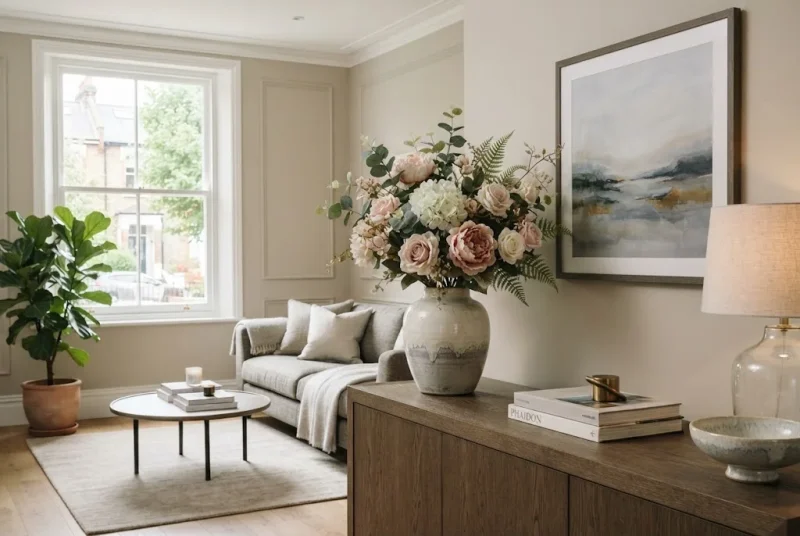
A vase of artificial flowers can become a focal point on a coffee table, console, sideboard or shelving unit. In a large living room, a taller arrangement can help fill vertical space, while a smaller bouquet may be better suited to a compact table.
Consider the colours already present in the room. If the furniture and flooring are neutral, flowers can provide a stronger colour accent. If the room already contains several bold colours, a more restrained arrangement may create better balance.
Artificial flowers can also work alongside greenery. Indoor fake plants can provide permanent foliage while flowers add a more noticeable colour or seasonal accent.
Dining Room
The dining table is a natural location for flowers, but the arrangement should not interfere with everyday use. A low centrepiece can work well when people need to see across the table, while a taller arrangement may be better placed on a sideboard.
Choose a vase that complements the dining furniture and keep the arrangement proportionate to the table. An oversized display on a small table can make the space feel crowded.
For additional comfort and coordination around a dining area, consider how decorative flowers work with practical elements such as kitchen and dining seat cushions.
Bedroom
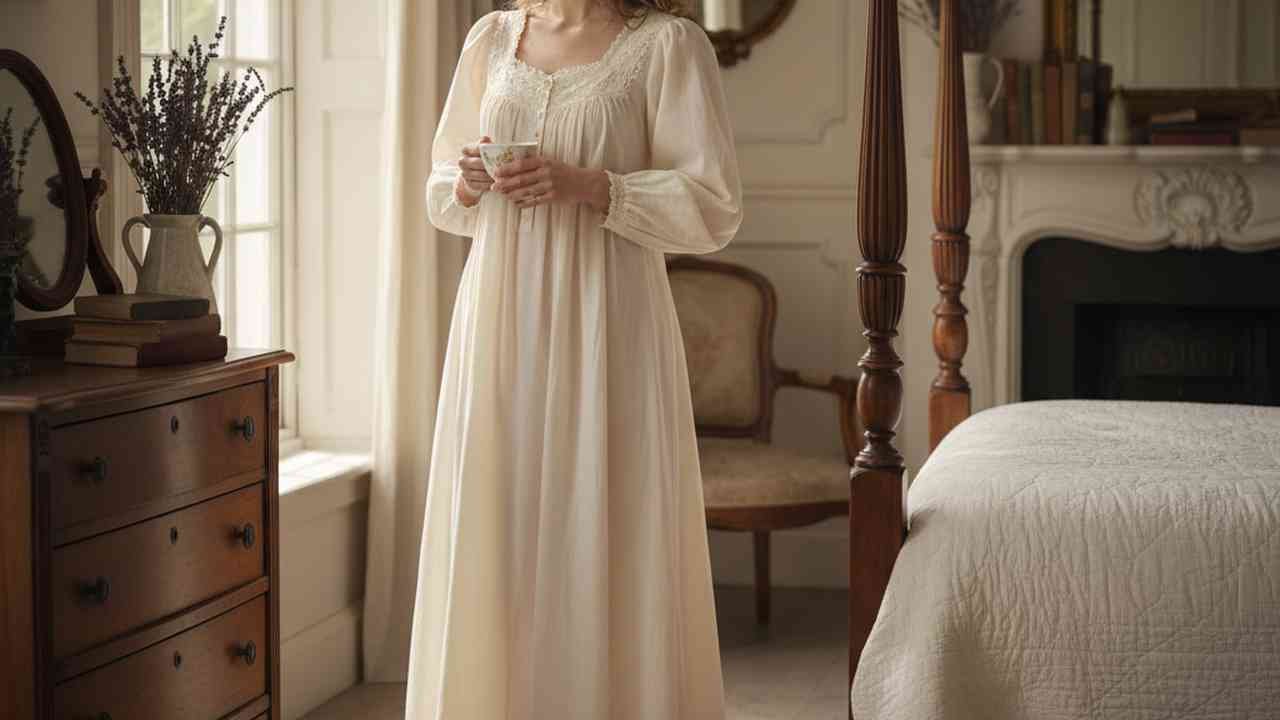
Artificial flowers can introduce a softer decorative detail to bedrooms. A small arrangement on a dressing table, chest of drawers or bedside surface can provide colour without taking up significant space.
For a calm bedroom, consider white, cream, blush or muted tones. Stronger colours can work too, particularly when they echo existing bedding, artwork or accessories.
Hallway and Entrance
The entrance of a home often benefits from a simple decorative focal point. A vase of artificial flowers on a console table can make an otherwise functional hallway feel more welcoming.
Keep the arrangement away from areas where it could obstruct doors or narrow walking routes. In smaller hallways, a slim vase with a restrained arrangement may be more practical than a wide display.
How to Choose the Right Artificial Flowers
Not every artificial flower has the same appearance or quality. When choosing an arrangement, look at the details rather than judging it solely from a distance.
Consider Colour Variation
Flowers with completely uniform colouring can sometimes appear less natural. Subtle variation across petals and leaves can create greater visual depth.
Choose colours that complement the existing room rather than automatically selecting your favourite flower colour. A successful arrangement should feel connected to the surrounding interior.
Look at the Shape and Texture
Real flowers are rarely perfectly symmetrical. Slight differences in flower position, petal shape and leaf direction can make an artificial arrangement look more relaxed and convincing.
Texture is equally important. Combining flowers with foliage, smaller buds and different shapes can prevent the display from looking like a single repeated pattern.
Choose an Appropriate Scale
Scale should always relate to the furniture around the arrangement. A large bouquet may suit a substantial sideboard but overwhelm a small coffee table.
Before buying, consider both the width and height of the finished display. Remember that the vase also contributes to the overall size.
Choosing a Vase for Home Decoration Flowers
The vase is an important part of the overall arrangement. Even attractive flowers can look out of place when the container clashes with the room.
Glass vases can provide a clean and understated appearance, while ceramic vessels can introduce texture and colour. Neutral vases are particularly versatile because they can be reused with different arrangements.
For a contemporary home, simple shapes can work well. Traditional interiors may suit more decorative vessels, especially when the flowers themselves have a classic appearance.
How to Arrange Artificial Flowers Naturally
Artificial flowers can often be adjusted because their stems are designed to hold a particular position. Use this flexibility to create a less rigid arrangement.
Instead of making every flower face exactly the same direction, vary the heights and angles. Place some flowers slightly higher and allow selected stems to extend naturally to the sides.
Foliage can be positioned around the flowers to fill gaps and create a fuller appearance. Avoid making the arrangement perfectly symmetrical unless a formal interior style specifically calls for it.
Use Different Heights
Different flower heights create layers within the arrangement. Taller stems can establish the overall shape, while shorter flowers and foliage can fill the lower areas.
Leave Some Negative Space
An arrangement does not need to be completely dense. Leaving small areas of space between flowers can make individual shapes easier to see and prevent the display from looking overcrowded.
Artificial Flowers in Neutral Interiors
Neutral interiors provide an excellent backdrop for artificial flowers because the arrangement can become a controlled source of colour.
White, beige and grey rooms can support almost any flower palette, but soft pinks, greens, muted yellows and earthy tones can create a particularly natural appearance.
If your living room already contains a strong dark feature such as a black living room rug, lighter flowers can provide contrast without requiring major changes to the furniture or flooring.
Seasonal Styling Without Replacing Your Main Decor
One advantage of artificial flowers is the ability to create seasonal changes without redesigning the entire room. A permanent neutral vase can be reused while the flowers are changed to suit the desired atmosphere.
Spring-inspired arrangements can introduce lighter colours and delicate shapes. Warmer autumn-inspired tones can create a richer appearance, while winter arrangements can focus on whites, greens and deeper accents.
Because the flowers are reusable, you can store different arrangements and rotate them when you want to refresh your home.
Combining Flowers With Artificial Greenery
Flowers and greenery can work together particularly well. Green foliage creates a visual base, while flowers provide the strongest colour accents.
A large artificial plant can occupy a floor-level corner while a smaller flower arrangement decorates a nearby table. This creates different levels of greenery and colour without requiring every decorative item to be the same.
Keep the shapes varied. Pairing broad leaves with smaller flowers or delicate stems can create a more interesting arrangement than combining several identical forms.
Using Artificial Flowers With Other Decorative Accessories
Artificial flowers can be combined with other home accessories to create a layered interior. Books, framed artwork, ceramics and decorative trays can all provide supporting elements around a floral arrangement.
For dining or entertaining areas, candle holders and trays can complement flowers by adding height, texture or subtle contrast to the display.
The important point is to maintain balance. If the flowers are already large and colourful, surrounding accessories can be simpler. Conversely, a restrained floral arrangement can support more decorative objects around it.
How to Keep Artificial Flowers Looking Fresh
Although artificial flowers do not need watering, they still require occasional cleaning. Dust can collect on petals and leaves, particularly when arrangements remain in the same location for long periods.
Use an appropriate gentle cleaning method based on the manufacturer’s recommendations. Delicate materials may require more care than robust synthetic flowers.
When the arrangement is not being used, store it somewhere dry and protected from unnecessary pressure or crushing. Keeping stems and petals in good condition will help preserve the appearance of the flowers.
Common Mistakes When Using Artificial Flowers
Choosing an Arrangement That Is Too Large
A large bouquet can overwhelm a small room or table. Always consider the scale of the furniture and available surface.
Using Too Many Colours
Multiple strong colours can compete with the rest of the interior. Choose a palette that relates to existing furniture, walls and accessories.
Ignoring the Vase
The container contributes significantly to the overall appearance. Choose one that complements both the flowers and the room.
Creating Perfectly Symmetrical Displays
Excessive symmetry can make artificial arrangements look staged. Varying heights and angles can create a more relaxed appearance.
Forgetting About Maintenance
Artificial flowers still collect dust. Include them in your normal cleaning routine to keep petals and foliage looking fresh.
Final Thoughts on Artificial Flowers for Decoration
Artificial flowers for decoration provide a flexible and long-lasting way to introduce colour, texture and personality into a UK home. They can be used in living rooms, bedrooms, dining areas, hallways and other spaces where a decorative focal point is needed.
The most effective arrangements are chosen according to the room’s scale, colour palette and existing furniture. Selecting an appropriate vase, varying flower heights and combining flowers with foliage can also create a more natural and balanced appearance.
Rather than using artificial flowers as isolated ornaments, consider them part of a wider interior scheme. When combined thoughtfully with artificial greenery, rugs, cushions, candle accessories and other decorative details, they can help create a comfortable and cohesive home.