
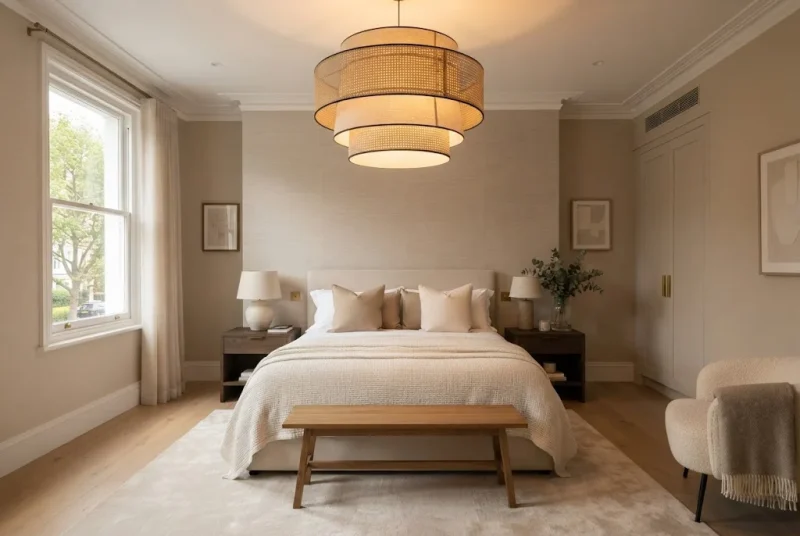
Choosing the right wooden side tables for living room spaces can add both practicality and character to your home. A well-positioned side table gives you a convenient surface for drinks, books, lamps, remotes, and decorative accessories while helping connect the different elements of your seating area. Because wood works with such a wide range of interior styles, it can also be an easy way to introduce warmth and natural texture.
However, the best side table is not simply the one that looks attractive. Its height, width, shape, storage options, colour, and position should all work with your existing sofa and living room layout. Whether you are furnishing a compact UK flat or a spacious family home, a carefully chosen side table can make the room more functional without taking up unnecessary space.
Why Choose Wooden Side Tables for Living Room Spaces?
Wooden furniture has remained popular because it combines durability with a naturally versatile appearance. Depending on the finish and design, a wooden side table can look traditional, contemporary, rustic, Scandinavian, or minimalist.
Wood also provides visual warmth. In a living room dominated by painted walls, upholstered furniture, glass, or metal, a timber surface can introduce a natural element and prevent the space from feeling overly uniform.
Another advantage is flexibility. A wooden side table can serve several purposes. It might hold a lamp beside the sofa, provide a surface for your morning coffee, or become a display area for a plant, books, or a small decorative object.
For a coordinated lighting arrangement, a side table can also work particularly well with a tall lamp for living room seating areas, creating different levels of light around the room.
How to Choose Wooden Side Tables for Living Room Furniture
The first thing to consider is proportion. A side table should look appropriate next to your sofa rather than appearing too tall, too short, too wide, or too small.
Measure the height of the sofa arm before purchasing. Ideally, the tabletop should sit at a comfortable level for reaching items while sitting down. A table that is dramatically lower than the sofa can still work as a decorative piece, but it may be less convenient for everyday use.
Width is equally important. If the space between your sofa and wall is narrow, a compact table may be a better option than a wide cabinet. On the other hand, a larger seating area may benefit from a more substantial piece with additional storage.
Living Room Side Tables for Different Layouts
Every living room has a different layout, so there is no universal side-table arrangement. Start by identifying where you naturally need a surface.
Beside the Sofa
The most obvious position is next to a sofa. A side table here can hold a drink, reading material, phone, or lamp, making the seating area more convenient.
If you have a large sofa, two side tables can create symmetry. They do not necessarily have to be identical, but using similar materials or finishes can make the arrangement feel coordinated.
Beside an Armchair
A small wooden table beside an armchair can create a dedicated reading or relaxation area. This is especially useful when the chair is positioned away from the main coffee table.
Add a reading lamp and a small selection of books to make the area both functional and visually inviting.
In an Empty Corner
A corner that feels unfinished can sometimes benefit from a compact side table. Rather than filling the space with a large piece of furniture, use a small table with a plant, lamp, or decorative object.
Choosing a White Side Table for the Living Room
A white side table living room arrangement can create a clean and contemporary appearance. White furniture works particularly well in smaller rooms because its light visual presence can help the space feel less crowded.
White can also provide useful contrast against darker sofas or wooden flooring. If your room already contains several wooden pieces, a white side table can break up the repetition while maintaining a simple aesthetic.
However, consider the finish before buying. Glossy surfaces create a different appearance from painted or matt finishes, while textured white furniture can add more visual depth.
Wooden Side Tables With Storage
One of the biggest practical benefits of a side table is the possibility of additional storage. Open shelves can provide quick access to books and magazines, while drawers or cupboards can hide smaller items.
Storage is particularly useful in family living rooms where remotes, chargers, games, and other everyday objects can quickly create clutter.
If your living room is compact, choose a design that combines a useful tabletop with vertical storage. This allows you to gain functionality without significantly increasing the furniture footprint.
Round or Square Wooden Side Tables?
The shape of the tabletop can influence both the appearance and practicality of the furniture.
Round tables can soften a room containing lots of straight lines and rectangular furniture. They are also useful in tighter areas because they do not have sharp corners projecting into walking routes.
Square and rectangular tables tend to work naturally beside sofas because their straight edges can align with the furniture. They may also provide a larger usable surface for lamps, books, drinks, and accessories.
Choose the shape according to the surrounding furniture rather than following a trend. A table should complement the room’s existing geometry.
How to Match Wooden Side Tables With Your Sofa
Matching does not mean buying furniture from the same collection. In fact, using slightly different finishes can make a living room feel more interesting.
A light oak-style table can work well with neutral upholstery and natural fabrics. Darker wood can provide contrast against a pale sofa, while painted wood can introduce colour without dominating the room.
If your sofa is already a strong focal point, a relatively simple wooden side table may be the better choice. Conversely, a neutral sofa can provide an opportunity to introduce a more distinctive table design.
Using Side Tables for Living Room Lighting
A side table can become an excellent base for decorative lighting. A compact lamp placed beside a sofa can provide local illumination without requiring another floor-standing fixture.
Consider the height of the lamp and table together. The lamp should provide useful light while remaining proportionate to the surrounding furniture.
For a complete layered lighting scheme, combine table lighting with a floor lamp and the main ceiling fixture. A separate living room lamp can provide another source of ambient or task lighting where appropriate.
Wood Finishes to Consider
Different wood finishes can produce dramatically different results. Pale timber tends to create a bright, relaxed appearance, while medium and dark finishes can add depth and contrast.
Natural-looking finishes are particularly useful when you want to create a calm interior inspired by organic materials. Painted wood provides more flexibility if you want the table to match a particular colour scheme.
When choosing between finishes, consider the flooring, shelving, coffee table, and other timber elements already present. Repeating one wood tone can create continuity, but introducing a contrasting finish can also work if the overall colour palette remains balanced.
How to Style a Wooden Side Table
One of the easiest ways to style a side table is to keep the arrangement simple. A lamp, small plant, and one or two books can be enough.
Avoid covering the entire surface with accessories. The table needs to remain functional, so leave enough room for the things you actually use.
Height variation can make a small display more attractive. For example, combine a low book stack with a small decorative object or plant. This creates visual interest without making the table look cluttered.
Wooden Side Tables for Small Living Rooms
Small UK living rooms require furniture that earns its place. A compact wooden side table can provide useful functionality without competing with the sofa or restricting movement.
Look for narrow designs, nesting tables, or pieces with integrated storage. If floor space is particularly limited, consider whether a smaller table can perform the same function as a larger cabinet.
Light-coloured wood can also help maintain an airy appearance, particularly when combined with pale walls and neutral upholstery.
How Many Side Tables Does a Living Room Need?
There is no fixed number. The answer depends on your furniture arrangement and how the room is used.
A small seating area may need only one table beside the main sofa. A larger room could benefit from one on either side of the sofa, plus another beside an armchair.
Do not add tables simply to fill empty space. Each piece should have a clear purpose or contribute meaningfully to the room’s design.
Combining Side Tables With Other Furniture
Side tables should work as part of the complete room rather than as isolated objects. Consider how the table relates to your coffee table, TV unit, shelving, sofa, and lighting.
If you have several furniture pieces with strong visual weight, choose a simpler side table. If the rest of the room is understated, a distinctive wooden design can become an attractive accent.
You can also coordinate materials across rooms. For example, a similar timber finish could appear in bedroom furniture, while matching metallic details could connect the living room with a bedside table lamp arrangement.
Common Mistakes to Avoid
Buying without measuring is one of the most common mistakes. Always check the table’s dimensions against the available floor area and the height of nearby furniture.
Another mistake is prioritising appearance over usability. A beautifully designed table is less useful if there is no practical space for the items you regularly need.
It is also worth avoiding excessive matching. A living room where every wooden item has exactly the same finish can sometimes feel too uniform. Mixing complementary tones can create a more natural and layered interior.
What to Check Before Buying
Before purchasing wooden side tables for living room spaces, consider:
- The table’s height compared with your sofa
- The width and depth available beside the furniture
- The amount of tabletop space you need
- Whether storage is required
- The wood type or finish
- The table’s overall weight and stability
- How easily the surface can be cleaned
- Whether the design suits your existing furniture
- Whether sharp corners could cause problems in a busy walkway
- How the table will work with your lighting scheme
Taking these details into account will help you choose a table that remains useful rather than becoming another piece of furniture that simply occupies floor space.
Final Thoughts on Wooden Side Tables for Living Room Spaces
The best wooden side tables for living room interiors combine attractive design with everyday practicality. Wood provides warmth and versatility, while the right size and shape can make your seating area significantly more convenient.
Think about how you use the room before choosing a table. If you regularly read on the sofa, prioritise a comfortable surface for a lamp and books. If clutter is an issue, look for drawers or shelving. If space is limited, choose a compact design that provides useful functionality without restricting movement.
Colour and finish should complement the wider interior rather than necessarily matching every other piece. A natural timber finish can reinforce a relaxed aesthetic, while a white side table can create a cleaner and brighter appearance.
Finally, remember that a side table works best as part of a wider design scheme. Pairing it with appropriate lighting, complementary seating, and carefully selected accessories can create a living room that feels both practical and visually balanced. With the right proportions and placement, a simple wooden side table can become one of the most useful pieces in the room.