
Buying a home is the biggest purchase most of us ever make, yet many buyers skim past one of the most useful documents in the listing: the Energy Performance Certificate. With EPC ratings explained properly, that single A–G score tells you how much a home is likely to cost to heat, how comfortable it will feel in winter, and whether you might face upgrade work after you move in. This guide walks through what the ratings mean, how they are calculated, and exactly what to check before you commit to a purchase.
What Is an Energy Performance Certificate?
An Energy Performance Certificate (EPC) is a standardised assessment of how energy efficient a building is. In most cases, a property cannot legally be marketed for sale or rent without one, so you will usually find the rating in the estate agent’s listing or on the government’s EPC register. An accredited assessor visits the property, records details such as the construction type, insulation, glazing, heating system and lighting, and feeds them into a standard calculation. The result is a rating from A (most efficient) to G (least efficient), along with an estimated running-cost figure and a list of recommended improvements.
The certificate is valid for ten years, which is worth remembering: an EPC produced eight years ago may not reflect improvements the current owner has made since, such as a new boiler or loft insulation. Always check the date on the certificate, and if the property has clearly been renovated, ask whether a newer assessment exists.
The A–G Bands Explained
Behind the letter sits a numerical score from 1 to 100+. The bands break down as follows: A is 92 and above, B is 81–91, C is 69–80, D is 55–68, E is 39–54, F is 21–38, and G is 1–20. Most homes in the UK currently sit in band D, so a C-rated property is already better than average, while A and B ratings are mostly found on new-builds with modern insulation, efficient heating and sometimes solar panels.
For buyers, the practical difference between bands shows up in the monthly bills. A home rated F or G can cost dramatically more to heat than a similar home rated C, because heat escapes through poorly insulated walls, roofs and floors, and older boilers burn more fuel to compensate. When you are comparing two similar properties, the EPC is one of the few like-for-like measures you have, because every assessor uses the same methodology.
How the Score Is Worked Out
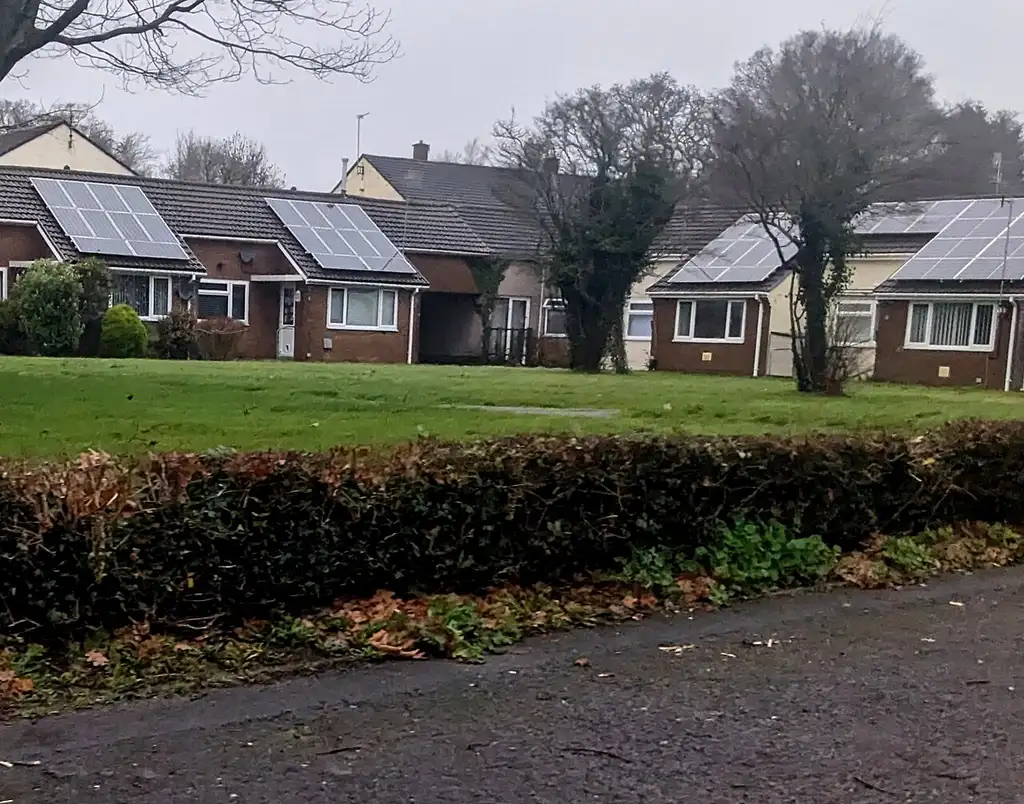
Assessors look at the elements that gain and lose heat. Wall construction matters a great deal: insulated cavity walls score far better than solid walls with no insulation. Roof insulation is measured by depth, and a well-insulated loft is one of the cheapest wins on any certificate. Windows are assessed too, with modern double or triple glazing outperforming single panes. The heating system carries heavy weight: a modern condensing boiler with proper controls, such as a programmer, thermostat and thermostatic radiator valves, scores much better than an old boiler with basic controls. Low-energy lighting, hot water cylinder insulation and renewable technology like solar panels all add points as well.
It is also worth knowing what the EPC does not measure. It does not inspect the condition of your boiler or guarantee your actual bills, because real costs depend on how you live in the home. It is a comparison tool, not a survey, so it sits alongside, not instead of, a proper property survey.
Why EPC Ratings Matter When You Buy
First, there is the cost of living. A better rating generally means lower energy bills from the day you move in, and fewer cold rooms and draughts. Second, there is resale value: as buyers become more energy-aware, efficient homes are increasingly attractive, and lenders have begun offering “green” mortgage products with slightly better rates for homes rated A or B. Third, if you plan to let the property out, minimum standards apply: rental homes in England and Wales must normally meet at least band E, and rules have been tightening over time, so buying an F or G property as a buy-to-let can mean mandatory upgrade work before you can legally rent it.
Finally, a low rating is not always a deal-breaker. It can be a negotiating point. If a home you love is rated E but the certificate lists inexpensive improvements with a clear path to C, you can factor the cost of that work into your offer. Our guide on how to make an offer on a house in the UK explains how to structure that conversation with the seller.
What to Check on a Property’s EPC
Start with the headline rating and the “potential rating” shown beside it. The gap between the two tells you how much improvement is realistically available. Then read the recommendations table, which lists measures in order, with indicative costs and the rating improvement each one delivers. A property that reaches C with loft insulation and heating controls is a very different proposition from one that needs external wall insulation to get there.
Check the assessor’s notes on construction and heating, and compare them with what you saw at the viewing. If the certificate says the boiler is old but the kitchen has clearly been refitted, the EPC may simply be out of date. You can view any property’s certificate free of charge on the official EPC register, so there is no excuse for skipping this five-minute check.
Simple Ways to Improve a Low Rating
The good news is that the cheapest measures often deliver the biggest jumps. Topping up loft insulation, fitting low-energy lighting throughout, and adding or upgrading heating controls are all relatively inexpensive. Draught-proofing doors and windows helps comfort as well as score. If a radiator-based system is part of your new home, learning basic maintenance such as how to bleed a radiator keeps the heating running efficiently through winter. Bigger investments, such as replacing an old boiler, insulating solid walls or installing solar panels, cost more but can move a property up several bands and cut bills for years.
Read the recommendations in order, get quotes for the top two or three items, and you will have a realistic picture of what a low-rated home will truly cost you. With EPC ratings explained and a clear plan in hand, you can buy with your eyes open, negotiate fairly, and look forward to a home that is warm, efficient and cheaper to run from day one.