
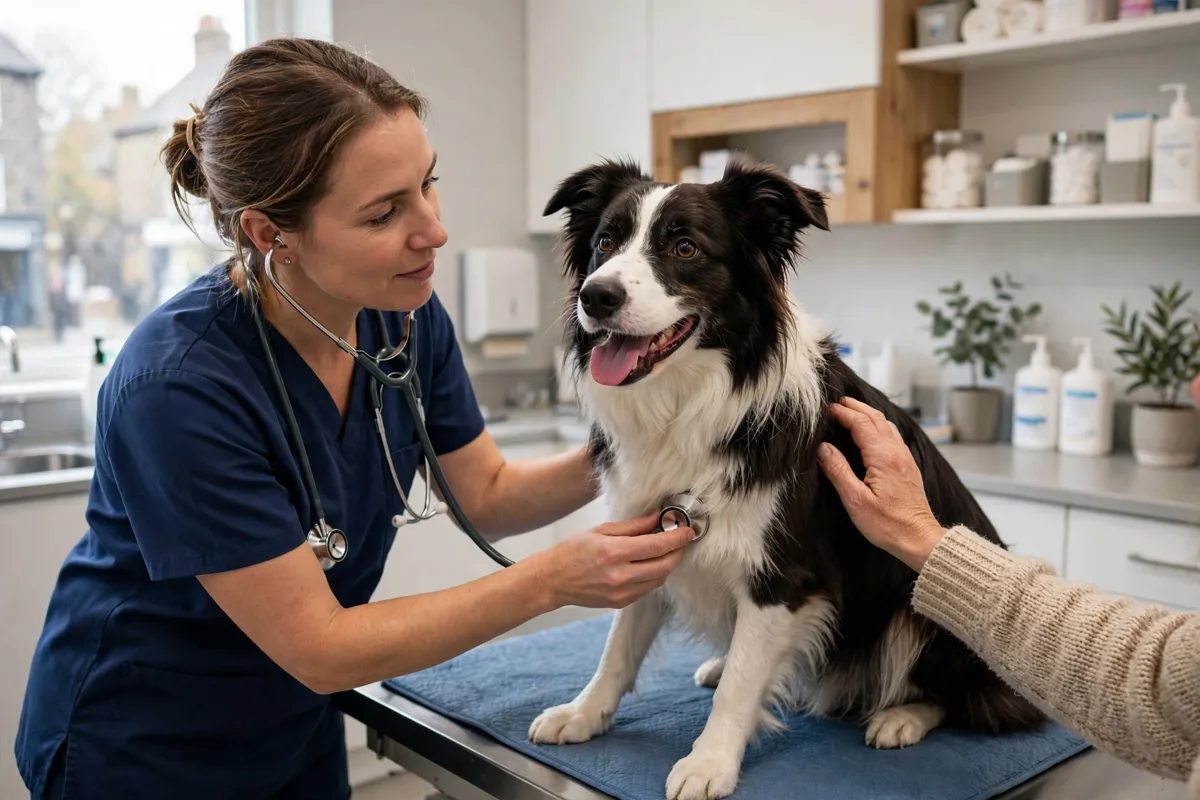
Choosing pet insurance in the UK can feel overwhelming, especially when you are faced with dozens of policies, unfamiliar terms and very different price tags. Yet the decision matters: an unexpected illness or accident can leave even a healthy young pet needing treatment that runs into thousands of pounds, and having the right cover in place means you can focus on your pet’s recovery rather than the bill. This guide walks through how pet insurance works, the main types of policy on the UK market, and the questions worth asking before you commit to one.
Why pet insurance in the UK is worth serious thought
There is no NHS for animals, so every consultation, scan, operation and course of medication is charged at private rates. Routine care is manageable for most households, but emergencies are a different story. A fractured leg, swallowed object or sudden illness can require surgery, overnight stays and follow-up treatment that quickly add up. Insurance spreads that risk into a predictable monthly premium, which is why so many owners treat it as an essential part of responsible pet ownership rather than an optional extra.
It is equally important to understand what insurance is not. Policies are designed for unexpected illness and injury, not everyday costs. Routine vaccinations, flea and worm treatments, neutering and dental cleaning for cosmetic reasons are normally excluded, so you should still budget for day-to-day care separately.
The main types of pet insurance policy
Lifetime cover
Lifetime policies are generally considered the most comprehensive option. They provide a pot of cover for veterinary fees that renews each year, so a long-term condition such as diabetes, arthritis or a skin allergy can continue to be claimed for year after year, provided you keep renewing the policy without a break. For owners of breeds prone to ongoing conditions, this continuity is the key attraction.
Maximum benefit policies
A maximum benefit policy sets a fixed amount of cover per condition. Once that limit for a particular condition is reached, the condition is excluded from then on, even though the policy itself continues for other problems. Premiums are often lower than lifetime cover, but a chronic condition can exhaust its pot surprisingly quickly.
Time-limited policies
Time-limited cover restricts each condition to a set period, usually twelve months from when it first appears, as well as a financial limit. After that window closes, the condition is no longer covered. These policies tend to be cheaper, but they leave owners exposed if a condition becomes long-term.
Accident-only cover
The most basic option covers injuries from accidents but not illness. It is the cheapest tier and may suit owners who mainly want protection against the cost of emergencies such as road accidents or falls, while accepting the risk of illness costs themselves.
What to check before you buy
Exclusions and pre-existing conditions
Almost every policy excludes pre-existing conditions, meaning anything your pet has shown symptoms of or been treated for before the policy starts. This is the single most common cause of disappointment at claim time. Read the definition carefully, declare anything relevant honestly, and understand that switching providers rarely resets this: a condition covered by your current insurer will usually count as pre-existing for a new one.
The excess and co-payment
The excess is the amount you pay towards each claim. Many policies also apply a percentage co-payment, particularly for older pets, where you contribute a share of the remaining bill. A policy with a very low premium but a high excess and a twenty per cent co-payment may cost you more in practice than a slightly pricier alternative.
Waiting periods
Most policies will not cover illness that begins within the first ten to fourteen days, although accidents are often covered sooner. If you are insuring a new puppy or kitten, arrange cover promptly so the waiting period passes while they are settling in — and if a puppy has just joined your household, our guide to puppy-proofing your home room by room is a helpful companion read.
Dental cover
Dental treatment is a grey area worth checking closely. Some policies exclude dental work entirely, others cover only treatment needed after an accident, and the more comprehensive plans include illness-related dental care provided your pet has regular check-ups and any recommended work is done promptly. Because dental disease is common in older pets, this clause can make a real difference to the value of a policy over a lifetime.
Age limits
Some insurers will not start a new policy for pets over a certain age, commonly eight for dogs and ten for cats, although plenty of specialists now welcome senior pets. If your pet is approaching that stage, arranging lifetime cover earlier can preserve your options.
Matching cover to your pet
Breed and lifestyle should shape your decision. Large dog breeds are more prone to joint problems; some pedigree cats have known hereditary conditions; adventurous outdoor cats face more accident risk than indoor ones. If your pet travels with you, check what the policy says about trips away from home — our look at pet-friendly holiday rentals shows just how many owners now plan holidays around their animals. Think about the conditions your pet is realistically likely to face, and choose a level of vet-fee cover that would genuinely handle a serious case in your area, since treatment costs vary considerably between regions and between general practices and referral centres.
It also helps to think about your own finances honestly. Insurance works best when the premium is affordable every month without fail, because a lapsed policy can mean losing cover for anything that developed while you were insured.
Common mistakes to avoid
The most frequent mistake is choosing on price alone and discovering the limits only when a claim is made. Others include letting a policy lapse during a house move or bank change, failing to keep vaccination records up to date where a policy requires them, and assuming a new policy will cover a condition simply because it has not been treated recently. A little administration goes a long way: keep vet records, note renewal dates, and read the renewal documents each year, since terms and premiums can change as your pet ages.
Making the final decision
Start by deciding which policy type fits your pet’s likely needs, then compare a shortlist on the details that actually matter: the vet-fee limit, how conditions are treated over time, the excess structure and the exclusions list. If you are also reviewing your pet’s everyday care, our wider pets coverage explores topics from choosing a vet to keeping pets healthy through the seasons, and it is worth browsing alongside this guide. With the right policy in place, pet insurance in the UK becomes what it should be: quiet peace of mind in the background, ready for the day you hope never comes.