
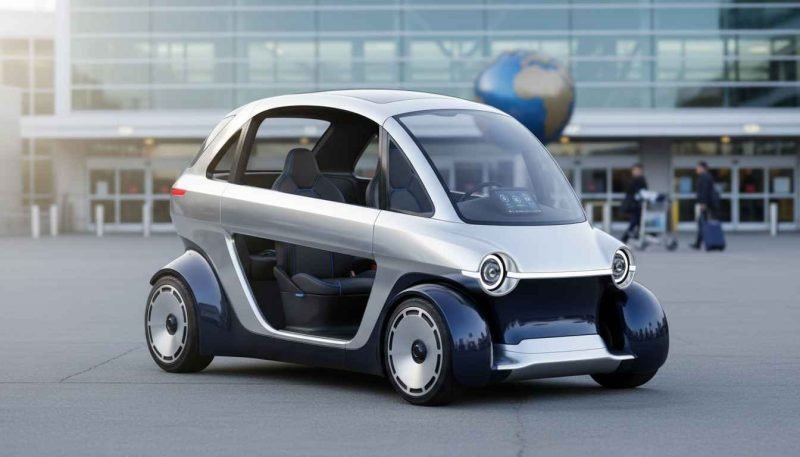
Money never sleeps. For those navigating airports, resorts, or large campuses, a Cushman personal transport vehicle can feel like a small miracle on wheels. However, understanding cushman personal transport prices is crucial before making a purchase decision. Prices can fluctuate based on model, features, and even your location, so a careful approach ensures you invest wisely.
Cushman has built a reputation for durable, low-maintenance personal transport vehicles that are used by airport staff, golf courses, and commercial operations alike. The price range for these vehicles varies significantly: entry-level electric models can start around $7,000, while high-end, feature-rich diesel or gas models can exceed $15,000. Factors influencing these costs include battery type, seating capacity, storage options, and onboard technology.
One real-world example is the Los Angeles International Airport’s recent adoption of Cushman electric vehicles for terminal staff. The airport reported that while the upfront cost was on the higher end – about $12,500 per unit – the operational savings in fuel and maintenance offset the initial investment within two years. This case study highlights how understanding pricing in relation to total cost of ownership is essential. For travelers and employees looking for convenience, LAX Shop+Dine offers insights on how these vehicles integrate seamlessly into busy terminal operations, including pre-order food and duty-free transport options.
Factors Affecting Cushman Personal Transport Prices
Several variables determine the final price of a Cushman vehicle:
- Model Type: Gas, diesel, and electric variants all come at different price points. Electric models are often pricier upfront but save money in the long run.
- Capacity: Two-seat models are cheaper than four-seat models, which may include additional storage space.
- Battery or Engine: Advanced lithium-ion batteries cost more than lead-acid but last longer and charge faster.
- Features: Options like onboard GPS, weather protection, and custom paint or branding can increase the cost.
Pros & Cons
Pros ✅
- Low maintenance and high durability.
- Environmentally friendly options available.
- Ideal for large campuses, airports, and resorts.
- Customizable for commercial or personal use.
Cons ❌
- Higher upfront cost compared to traditional golf carts.
- Limited speed and range for some electric models.
- Not suitable for off-road or heavy-duty industrial use.
Who Should Avoid This? / Potential Drawbacks
While Cushman personal transport vehicles are versatile, they are not for everyone. Individuals looking for long-distance commuting or off-road performance might be disappointed. Similarly, those seeking ultra-budget options may find the initial cost prohibitive, even if long-term savings are attractive. Businesses with limited storage or charging infrastructure may also face challenges integrating these vehicles efficiently.
Tips for Getting the Best Value
To ensure you get the most out of your investment, consider these practical tips:
- Compare different models based on total cost of ownership, not just purchase price.
- Look for dealer incentives, bulk discounts, or seasonal promotions.
- Factor in maintenance, warranty, and battery replacement costs.
- Consider refurbished or certified pre-owned options for budget-conscious buyers.
Conclusion
Understanding cushman personal transport prices goes beyond sticker shock. By analyzing model types, capacity, features, and long-term operational costs, buyers can make informed decisions that balance performance and budget. Whether for commercial operations at airports or personal transport around large estates, investing in a Cushman vehicle can be a smart choice if approached strategically. Remember, looking at the bigger picture often reveals savings and efficiency you might otherwise miss.