Why did the meditation instructor refuse to play cards? Because he couldn’t handle the stress of a full house! Okay, maybe not the best joke, but it does set the stage for a conversation about stress, balance, and the pursuit of wellness – a journey at the heart of becoming a restorative wellness practitioner. If you’ve ever felt the tug-of-war between your daily grind and your inner peace, then this certification might just be the bridge you’ve been searching for.
The world of restorative wellness is part science, part art, and, dare I say, a dash of philosophy. The restorative wellness practitioner certification promises not only professional credibility but also personal transformation. Imagine learning to guide others through relaxation techniques, stress management, and holistic body-mind practices while simultaneously sharpening your own wellness habits. It’s like learning to sail while also building the boat – challenging, enlightening, and entirely worth it.
Before diving into the nuts and bolts, let me drop a quick anchor: the community aspect is strong here. Looksmax.org has been buzzing with discussions from certified practitioners to beginners curious about the impact of such training on lifestyle, mental clarity, and even aesthetic wellness. The synergy between personal transformation and professional skills is palpable.
What Exactly is a Restorative Wellness Practitioner?
Think of a restorative wellness practitioner as a guide through the labyrinth of stress and physical tension. These professionals are trained in techniques like guided meditation, breathing exercises, energy balancing, and even gentle movement therapies. Their goal? To help clients achieve a state of equilibrium that fosters healing, resilience, and overall vitality.
Certification in this field usually entails a combination of theoretical knowledge and hands-on practice. You’ll dive into anatomy, psychology, stress physiology, and holistic wellness philosophies. But more importantly, you’ll get practical tools to implement and tailor interventions for individuals or groups, making your learning immediately applicable.
The Certification Journey: Step by Step
Every certification program has its own flavor, but here’s a general roadmap to give you perspective:
- Introductory Modules: Basic principles of wellness, stress management, and foundational anatomy.
- Practical Techniques: Hands-on practice with breathing exercises, restorative yoga, meditation, and guided relaxation methods.
- Advanced Integration: Learning to develop personalized wellness plans, including lifestyle interventions, nutrition insights, and stress assessment tools.
- Assessment & Evaluation: Practical demonstrations, written exams, or case study presentations to validate your knowledge and skill.
- Certification & Professional Practice: Once certified, practitioners often join wellness centers, start private practice, or even integrate techniques into corporate wellness programs.
Timeline: The Evolution of Restorative Wellness Practices
- 1920s: Early stress management and relaxation therapies emerge in Europe.
- 1960s: Yoga and meditation begin entering Western wellness culture.
- 1980s: Holistic and integrative medicine gain traction in the U.S.
- 2000s: Professional certification programs for wellness practitioners expand globally.
- 2020s: The digital age allows online and hybrid restorative wellness programs, broadening accessibility.
My Hands-On Test: Practicing What You Preach
I decided to enroll in a 12-week restorative wellness practitioner program, aiming to test the theory behind the certification myself. The first module was all about mindfulness and breathing exercises. Initially, I was skeptical – could focusing on my breath really reduce my chronic tension headaches? But after a week of guided practice, I noticed subtle shifts: deeper sleep, reduced muscle tightness, and a more patient mindset.
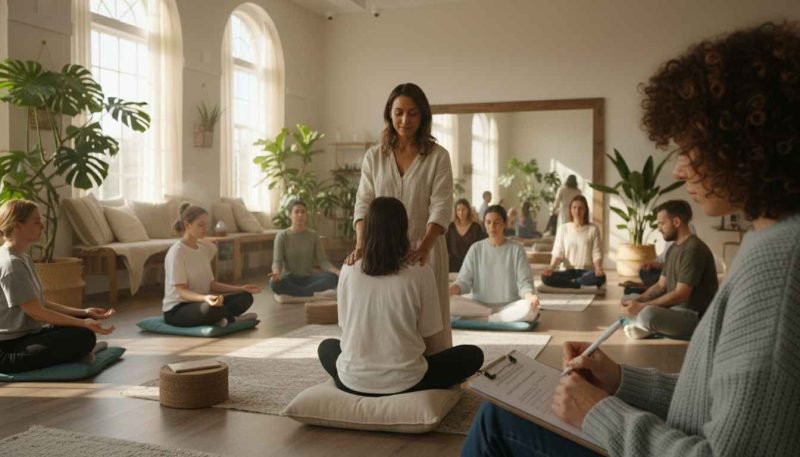
The most transformative component was the client simulation week. I paired with a fellow student, alternating roles as practitioner and client. Observing how tailored interventions impacted stress levels in real time was eye-opening. By the end, I wasn’t just confident in my knowledge; I experienced firsthand the ripple effect of restorative practices on mental clarity, energy, and emotional balance.
Benefits of Certification
The restorative wellness practitioner certification offers a range of advantages, both professional and personal. For starters, it provides formal recognition of your skills, increasing credibility with clients or employers. On a personal level, it equips you with techniques to manage your own stress and improve your overall health. Many practitioners report better sleep patterns, improved emotional regulation, and even enhanced physical posture as a result of the training.
Moreover, it opens doors to diverse career opportunities: wellness centers, corporate wellness programs, spas, educational institutions, and private consulting. Essentially, it’s a license to spread calm, resilience, and restoration in a world that desperately needs it.
Potential Drawbacks: Who Should Avoid This?
Before you jump in, a candid warning: this path is not for everyone. If you’re looking for a quick certification that guarantees income without commitment, this might not be your route. The training demands consistent practice, self-reflection, and sometimes emotional vulnerability. Also, if your primary goal is clinical therapy or medical treatment, note that this certification does not replace medical credentials – it complements them.
Another consideration is cost. While many programs are reasonable, top-tier certifications with hands-on mentorship can be pricey. Factor in both financial and time investment before committing, because the program is immersive and requires dedication to gain meaningful benefits.
Choosing the Right Program
Not all certifications are created equal. Here are a few tips to evaluate options:
- Accreditation: Ensure the program is recognized by reputable wellness organizations.
- Hands-On Training: Look for programs with practical, experiential components.
- Instructor Credentials: Learn from experienced practitioners with proven results.
- Community Support: Programs with active alumni networks can help you continue learning beyond the classroom.
- Flexibility: Consider online vs in-person formats, duration, and the ability to pace your learning.
Life Lessons from Pursuing Restorative Wellness Certification
As a philosopher might muse, the journey of becoming a restorative wellness practitioner mirrors the broader human quest for balance and understanding. It’s not just about mastering techniques – it’s about self-awareness, empathy, and patience. Through guided practice, you learn that healing isn’t linear; it requires presence, attention, and consistency.
Moreover, this path teaches humility. Watching someone release tension through your guidance is rewarding, yet it reminds you that you are merely a facilitator – the true work of restoration occurs within the individual. It’s a beautiful paradox: you can give tools, yet transformation is ultimately personal.
Final Thoughts: Is It Worth It?
Absolutely – if you’re ready for growth, both professionally and personally. The restorative wellness practitioner certification equips you with actionable skills, elevates your credibility, and deepens your understanding of human wellbeing. But it also demands sincerity, practice, and patience. You will not just learn to heal others – you’ll learn to heal yourself.
And let’s be honest: in a world full of tension headaches, digital distractions, and chronic burnout, who couldn’t use a little restoration?