Choosing the right chairs for living room spaces can add comfort, character and useful extra seating to a home. Whether you are furnishing a large family lounge, updating a compact flat or creating a comfortable reading corner, the right chair can complement your existing sofa while giving the room another practical focal point.
Living room chairs come in many shapes, materials, colours and sizes. Some are designed primarily for relaxation, while others work as statement pieces that introduce colour or texture. The best choice depends on the size of your room, your existing furniture and how you plan to use the space.
How to Choose Chairs for Living Room Spaces
The starting point when choosing chairs for living room areas should be the available space. A beautiful chair can still be unsuitable if it makes the room difficult to navigate or overwhelms the existing furniture.
Measure the area where you intend to place the chair, including its width and depth. Also consider how much room will be required around it when people sit down, stand up or move through the room.
Think about the chair’s relationship with your sofa as well. The pieces do not have to match exactly, but their proportions and styles should work together. A large, deep armchair may suit a substantial sofa, while a lighter chair may be more appropriate beside a compact sofa in a smaller room.
Accent Chair Living Room Ideas
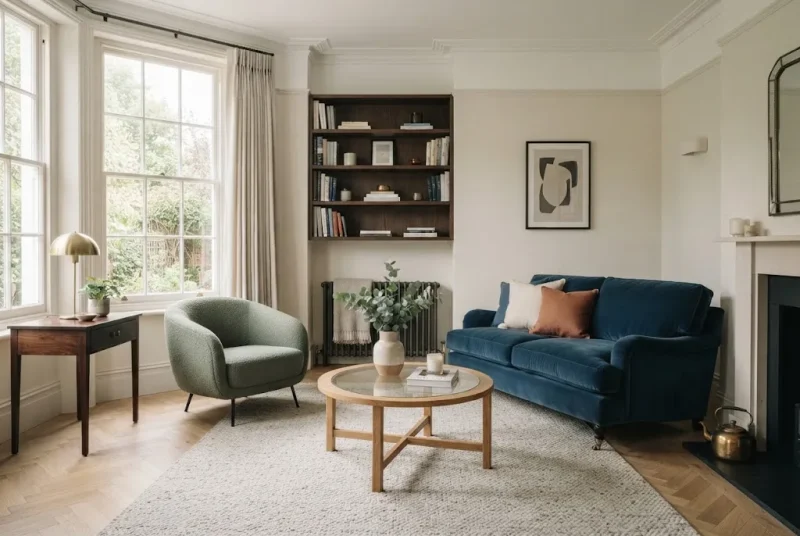
An accent chair living room arrangement can be an effective way to introduce a distinctive colour, pattern or material. Unlike a matching sofa set, an accent chair gives you an opportunity to add another layer of personality to the room.
For example, a neutral living room could benefit from a chair in a rich green, warm rust or deep blue fabric. Alternatively, a patterned chair can become a visual focal point when the surrounding furniture is relatively understated.
There is no need to repeat the exact colour throughout the room. Instead, use smaller accessories to create a subtle connection. Cushions, throws, artwork or decorative objects can pick up one of the chair’s colours without making the room feel overly coordinated.
Choosing the Right Chair Style
The style of the chair should reflect both the character of your home and the way you intend to use it.
Classic Armchairs
Traditional armchairs can provide excellent support while adding a timeless quality to a living room. Upholstered arms, supportive backs and generous seating can make them suitable for reading, relaxing and longer periods of use.
Classic designs can work particularly well in homes with traditional architectural details, but they can also be paired with contemporary sofas for a mixed interior.
Contemporary Chairs
Modern chairs often feature cleaner lines and more streamlined shapes. These can work well in contemporary UK interiors where you want to maintain a sense of visual space.
Materials such as fabric, leather, wood and metal can be combined to create different effects. The choice should reflect the existing furniture rather than being made independently of the rest of the room.
Occasional Chairs
Occasional chairs can provide flexible additional seating without becoming the dominant feature of the room. They are useful when you regularly have guests but do not want a large sofa to occupy additional floor space.
A lightweight design can also make it easier to rearrange the room when required.
Comfort Should Come Before Appearance
A chair may look impressive in a photograph but still be unsuitable for everyday use. Consider the seat depth, back support, arm height and overall firmness before making a decision.
If the chair will primarily be used for reading, you may prefer a supportive upright design. If it is intended for relaxing or watching television, a deeper seat and more generous cushioning may be preferable.
Try to think about who will use the chair most often. A family living room may require durable upholstery and practical construction, while a formal sitting room may allow more decorative materials.
Creating a Balanced Seating Arrangement
The position of your living room chairs can influence how the entire space feels. Rather than pushing every piece of furniture against a wall, consider creating a defined seating zone.
A chair angled slightly towards the sofa can encourage conversation. Two matching or complementary chairs positioned opposite a sofa can create a more symmetrical arrangement, while one statement chair can provide a relaxed asymmetrical look.
Make sure the main seating areas remain connected. People should be able to talk comfortably without having to turn awkwardly or sit too far apart.
Using Chairs to Define Different Areas
Large open-plan rooms can benefit from chairs that help establish distinct zones. For example, a pair of chairs can create a conversation area separate from a television-focused seating arrangement.
A single chair placed near a window can also create a dedicated reading corner. Add a small table and suitable lighting, and the unused area can become a functional part of the room.
This approach allows you to make better use of the entire room without filling it with unnecessary furniture.
Matching Chairs with Coffee Tables and Side Tables
Living room chairs should also work with the smaller furniture around them. A nearby side table can provide a convenient surface for drinks, books or a lamp, while a central coffee table can connect the different seating positions.
When choosing these pieces, look at their proportions rather than trying to make everything identical. A statement chair can work beautifully with a simple coffee table, while a minimalist chair may benefit from a more distinctive accent table.
For further living room planning, consider how coffee table living room arrangements can connect sofas, chairs and side tables into one cohesive seating area.
Can a Chair Work in the Bedroom?
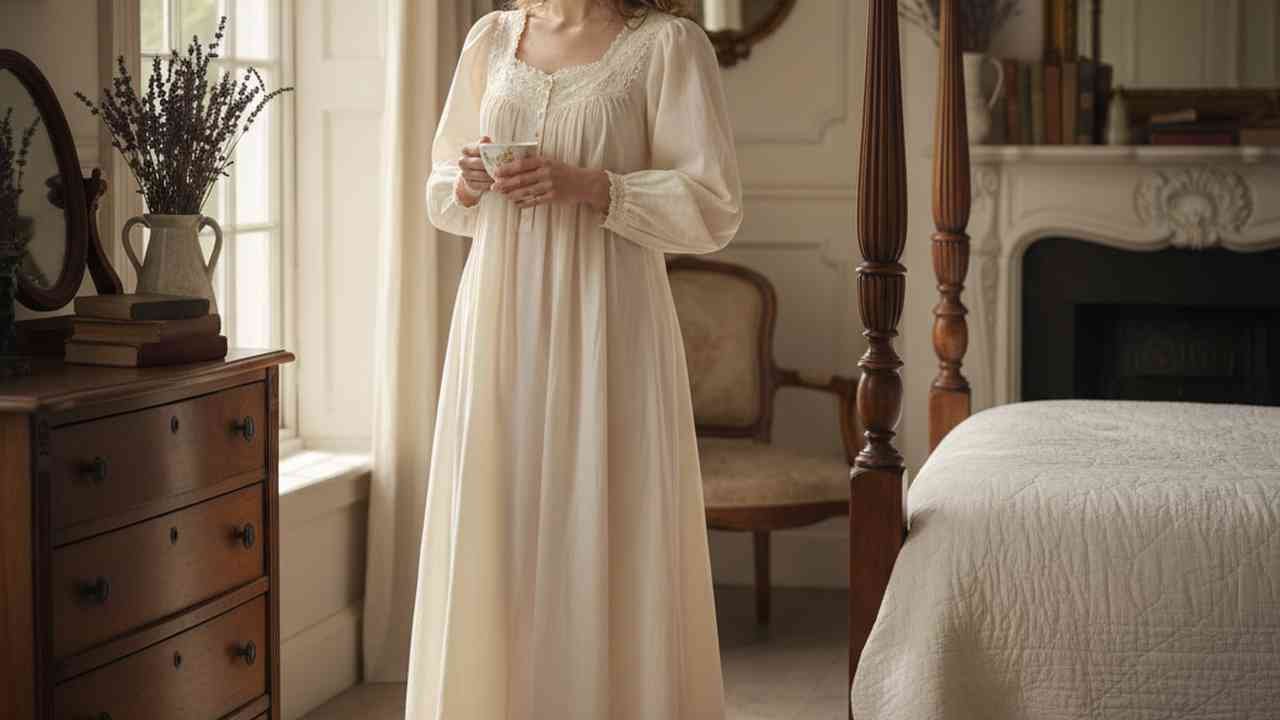
A chair bedroom arrangement can provide useful additional seating without requiring a large piece of furniture. A compact upholstered chair near a window, dressing area or unused corner can make the bedroom more comfortable and functional.
A bedroom chair can provide somewhere to sit while getting dressed, reading or simply taking a break. Choose a design that fits the scale of the room and does not interfere with wardrobes, drawers or walking routes.
For smaller bedrooms, a compact occasional chair may be more suitable than a deep armchair. Keeping the visual weight of the furniture proportionate to the room can help preserve an uncluttered atmosphere.
Choosing Upholstery and Colours
Upholstery has a significant influence on the appearance of a chair. Neutral fabrics can provide flexibility, while stronger colours can turn the chair into a focal point.
When choosing fabric, consider everyday use. High-traffic family rooms may benefit from durable, easy-care upholstery, while a less frequently used sitting room can accommodate more delicate finishes.
Colour should also be considered alongside the rest of the room. If your sofa is neutral, an accent chair can introduce a stronger shade. If several pieces already have bold colours or patterns, a simpler chair may create better visual balance.
Making the Most of Smaller UK Living Rooms
Compact living rooms require careful furniture selection. Instead of choosing the biggest chair that fits, look for a design that provides comfortable seating while preserving valuable floor space.
Chairs with slim arms or raised legs can sometimes create a lighter visual effect. A compact accent chair can also add personality without making the room feel crowded.
Before purchasing, measure doorways and access routes as well as the final position. A chair that fits perfectly in the room still needs to be brought into the property safely.
Creating a Cohesive Home Interior
Living room chairs can form part of a broader furniture scheme throughout the home. They do not need to match bedroom or dining furniture, but repeating selected materials and colours can create subtle continuity.
For example, a natural wood detail on a chair could complement a dining table set elsewhere in the home. Similarly, accent colours used in upholstery can be repeated through decorative cushions and other soft furnishings.
This approach allows each room to maintain its own character while still feeling like part of the same home.
Final Thoughts on Chairs for Living Room Spaces
The right chairs for living room spaces can improve both the comfort and appearance of your home. Start by measuring the available space, then consider how the chair will be used, how it relates to your sofa and which materials and colours complement the existing interior.
An accent chair living room arrangement can introduce personality, while a practical chair can provide additional everyday seating. The same principles can be applied when choosing a chair bedroom solution for a smaller personal space.
Ultimately, the best chair is one that fits the room, supports the way you live and contributes naturally to the overall design. With careful attention to proportion, comfort and style, even a single chair can make a meaningful difference to a home’s interior.