When the temperature climbs, knowing how to keep your dog cool in summer becomes one of the most important parts of responsible pet ownership. Dogs cannot sweat the way people do, so a hot afternoon that feels merely uncomfortable to you can become genuinely dangerous for them. The good news is that a few simple habits — adjusting walk times, providing constant access to water and shade, and recognising trouble early — will keep most dogs safe and happy through the warmest months.
Why Heat Is So Dangerous for Dogs
Dogs regulate their body temperature mainly by panting and, to a much smaller extent, through the pads of their feet. When the air is hot and humid, panting becomes far less effective, and their core temperature can rise quickly. Flat-faced breeds such as pugs, French bulldogs and boxers are at particular risk because their shorter airways make breathing harder work, but elderly dogs, overweight dogs, puppies and thick-coated breeds also struggle in the heat. Heatstroke is a veterinary emergency, so prevention matters far more than treatment. Planning your days around the temperature, rather than around your usual routine, is the single biggest change you can make in summer.
Walk Early, Walk Late, and Check the Pavement
The safest times to walk your dog in summer are early morning and later in the evening, when both the air and the ground have cooled. Midday walks should be short toilet breaks in the shade, not proper exercise. Before you set off, press the back of your hand against the pavement for five seconds: if it feels too hot for your hand, it is too hot for your dog’s paws, and burnt pads are a common summer injury. If you enjoy exercising with your dog, our guide on how to start running as a beginner covers building up exercise gradually — apply the same patience in summer, keep sessions shorter, and always carry water for both of you. On very hot days, skip the run entirely and swap it for indoor play and training games, which tire dogs out mentally without overheating them.
Keep Fresh Water Available Everywhere
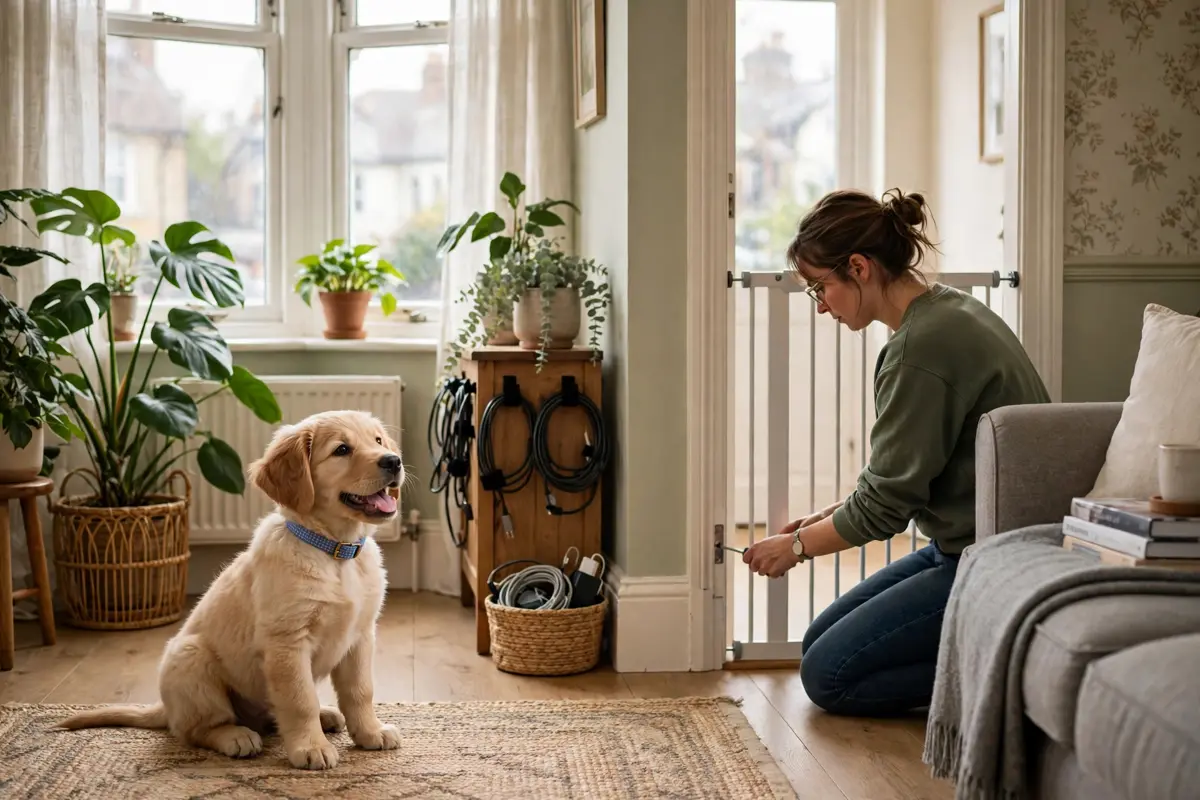
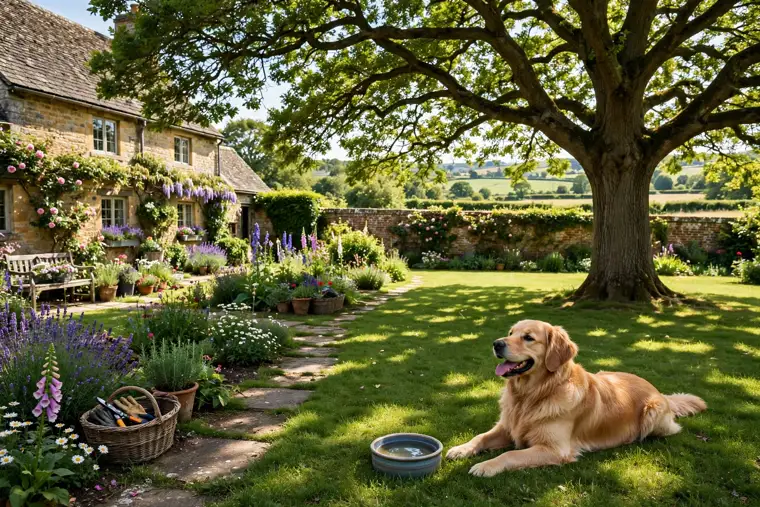
Hydration is the simplest cooling tool you have. Put down extra bowls of fresh, cool water in the rooms your dog uses most, refresh them at least twice a day, and add a few ice cubes on the hottest afternoons — many dogs enjoy fishing them out as a game. If your dog spends time in the garden, place a bowl in the shade there too, because a bowl left in full sun quickly becomes warm and unappealing. When you leave the house together, take a portable bottle and bowl, and offer water little and often rather than letting your dog gulp a huge amount at once after exercise. The same room-by-room thinking that helps you puppy-proof your home works here: walk through each space and ask whether your dog could reach water, shade and a cool floor without your help.
Create Cool Resting Spots Around the Home
Dogs will naturally seek out the coolest place in the house, so make those places inviting. Tile, stone and laminate floors stay cooler than carpet, and a damp towel laid on the floor gives your dog a chilled surface to lie on. Cooling mats filled with pressure-activated gel are inexpensive and need no electricity or freezing. Keep curtains or blinds closed on sun-facing rooms during the day, and use a fan to circulate air — although remember a fan alone does not cool a room for a dog the way it does for a person, so it should support, not replace, shade and water. Never leave a dog shut in a conservatory, a car, or any small space that heats up quickly in direct sun.
Cooling Treats, Games and a Paddling Pool
Frozen treats are a welcome distraction on a hot afternoon. Freeze low-salt stock, diluted wet food, or pieces of banana and carrot in ice-cube trays or a stuffable toy, and let your dog work at them in the shade. A shallow paddling pool in a shady corner of the garden suits water-loving dogs, but always supervise, empty it after use, and never force a nervous dog into the water. Wetting your dog’s chest, belly and paws with tepid water helps heat escape; avoid icy water, which can cause the surface blood vessels to constrict and trap heat inside. Short, calm games in the early evening are better than energetic fetch at midday.
Know the Warning Signs of Heatstroke
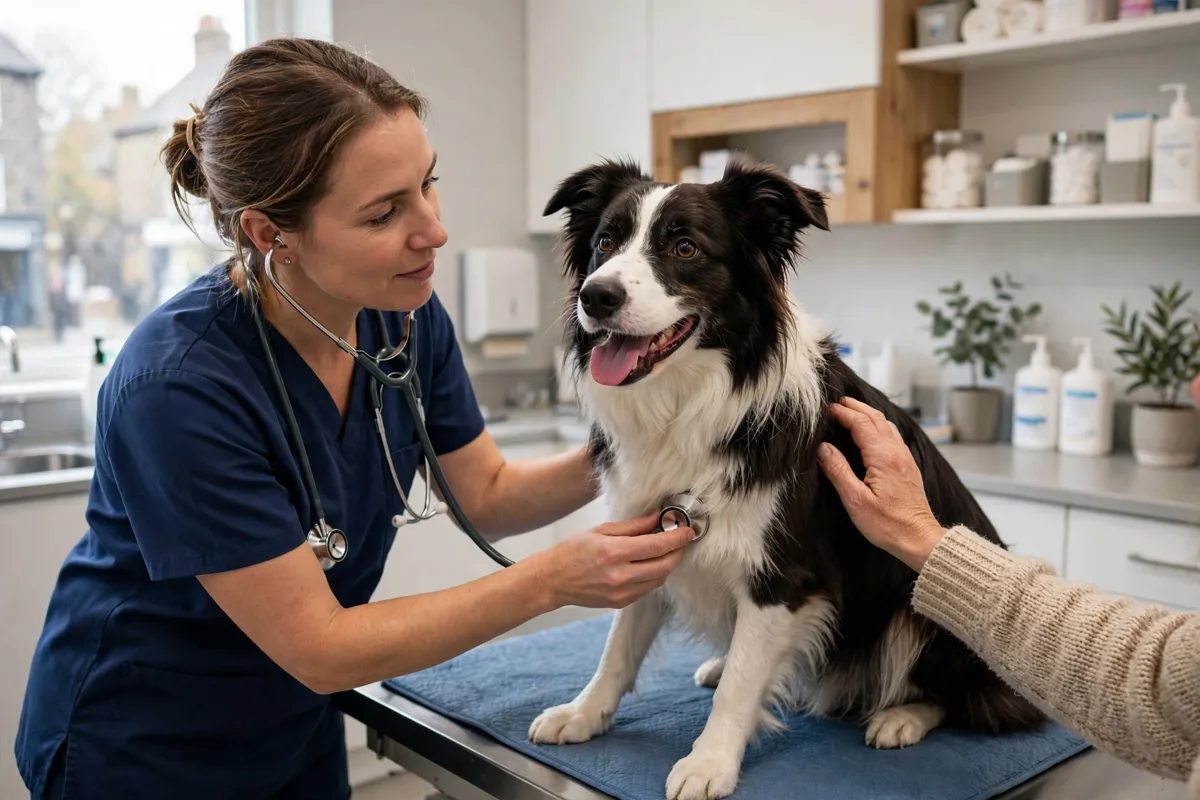
Even with good care, you should know what trouble looks like. Early signs include heavy panting, drooling, restlessness and seeking shade. As heatstroke develops, dogs may vomit, become wobbly or disoriented, produce thick saliva, or collapse. If you see these signs, move your dog into the shade, pour cool (not cold) water over their body, offer small drinks, and contact your vet immediately — heatstroke can cause organ damage within minutes. It is also worth reviewing whether your cover would handle an emergency summer vet bill; our guide to choosing pet insurance in the UK explains what to look for. Breeds with short noses, dogs with heart or breathing conditions, and very young or old dogs deserve extra vigilance on every warm day.
Travelling With Your Dog in Hot Weather
Summer trips need the same planning. Travel in the cooler parts of the day, use air conditioning or safely secured open windows, and plan regular stops where your dog can stretch, drink and toilet in the shade. If you are researching summer destinations, our round-up of places to visit in the US this summer is a useful starting point for planning — just build your itinerary around your dog’s comfort, not the other way round. Above all, never leave a dog alone in a parked car, even for a few minutes and even with the windows open: the temperature inside can reach lethal levels astonishingly fast, and it remains one of the most common causes of preventable summer deaths.
Grooming and Coat Care in Hot Weather
Regular brushing removes loose undercoat and helps air circulate through the coat, which keeps double-coated breeds noticeably more comfortable. It is tempting to shave a thick coat short, but that layer also insulates against heat and protects the skin from sunburn, so ask a groomer what suits your breed before clipping. Dogs with pale, thin fur on their ears and nose can burn in strong sun; pet-safe sun cream on those exposed areas is a sensible precaution on days spent outdoors.
Keeping your dog cool in summer is mostly about small, consistent habits: earlier walks, constant water, cool places to rest, and the confidence to cancel plans when the weather demands it. Make those adjustments part of your routine and your dog can enjoy the season as much as you do — safely, comfortably, and by your side.